


Sports venues are not merely functional structures designed to host events; they are symbolic environments that shape perception, emotion, and behavior. Research in environmental psychology and sports marketing consistently shows that physical space influences how individuals experience brands, form attachments, and recall memories. In this context, stadium branding plays a critical role in translating athletic identity into a lived, spatial experience.
Stadiums as Branded Environments
Branding scholars describe branded environments as physical spaces where brand meaning is communicated through design, layout, materials, and visual cues (Bitner, 1992; Pine & Gilmore, 1999). Stadiums represent one of the most immersive branded environments in contemporary culture, combining architecture, graphics, sound, movement, and social interaction.
Unlike traditional advertising, stadium branding operates continuously and holistically. Fans are not passive observers; they move through the brand, interact with it, and associate it with high-emotion moments such as victory, disappointment, ritual, and community. This repeated exposure strengthens brand salience and emotional attachment over time.
Wayfinding, Flow, and Cognitive Load
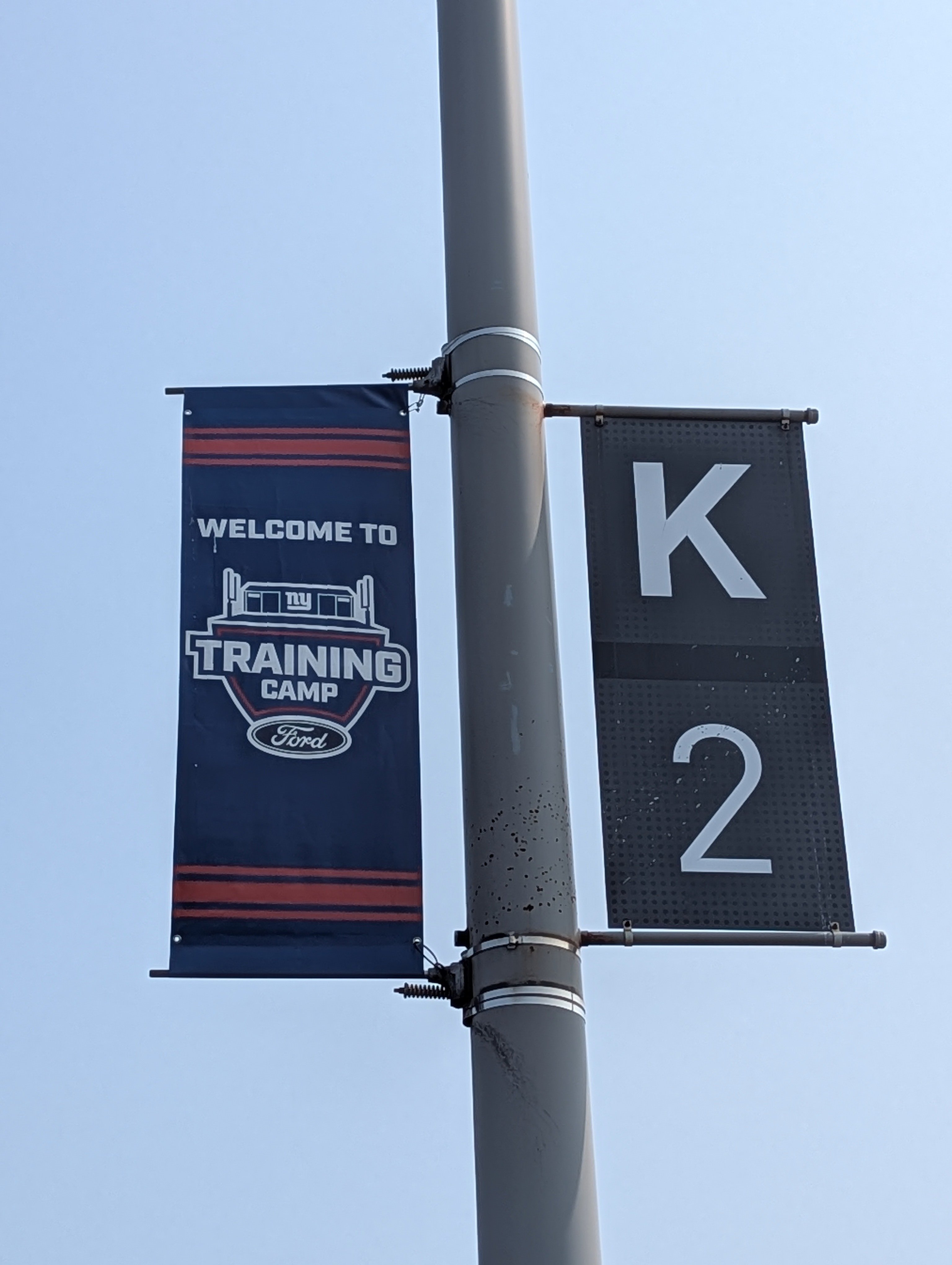
Studies on wayfinding show that visual clarity and environmental cues reduce cognitive load and stress in large, complex spaces (Arthur & Passini, 2002). In stadiums, where crowd density and time pressure are high, branding often doubles as navigation—using color, iconography, and spatial markers to guide movement.
Effective environmental branding:
-
Improves fan flow and circulation
-
Reduces congestion at critical points
-
Enhances perceptions of safety and organization
-
Supports positive evaluations of the venue experience
When fans can move confidently, their attention remains on the event rather than on logistical frustrations.
Emotion, Memory, and Place Attachment
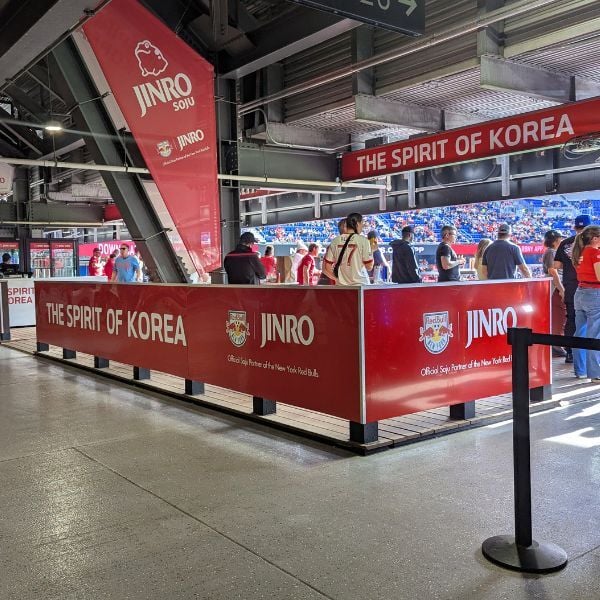
Place attachment theory suggests that emotional bonds with physical spaces are formed through repeated meaningful experiences (Kyle et al., 2005). Stadium branding contributes to this attachment by visually reinforcing identity and tradition: team colors, historical imagery, player legacy walls, and championship moments create a sense of continuity across seasons and generations.
These visual anchors help fans associate personal milestones—first games, family traditions, championships—with the venue itself, deepening loyalty not only to the team but to the place.
The Role of Visual Storytelling in Social Amplification
Research in sports communication has also shown that fans increasingly act as brand broadcasters, sharing experiences in real time through social media. Visually distinctive environments increase the likelihood of organic sharing, extending the reach of stadium branding beyond attendees to digital audiences.
In this sense, stadium branding functions as both experience design and content strategy, shaping what fans photograph, post, and remember.
Multi-Use Venues and Brand Flexibility
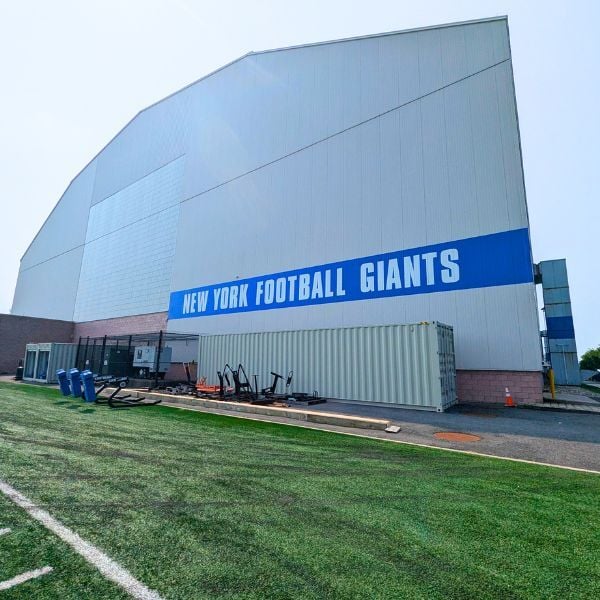
Modern stadiums are no longer single-purpose spaces. They host a wide range of events that require adaptable branding systems while maintaining identity coherence. Research on modular environments and brand consistency suggests that flexible visual systems are more sustainable in the long term and support stronger brand recognition across contexts (Keller, 2013).
This has shifted the focus from static signage to dynamic branding frameworks—systems that evolve while preserving core visual equity.
Conclusion
Stadium branding is not ornamental. It is a strategic infrastructure that supports wayfinding, emotional engagement, memory formation, and brand consistency. When aligned with research-based principles of environmental design and consumer psychology, it enhances both the fan experience and the long-term value of the athletic brand.
As sports organizations continue to compete for attention, loyalty, and participation, the stadium itself remains one of the most powerful — and underutilized — brand assets available.


.png?width=35&height=35&length=35&upsize=true&upscale=true&name=Delilah%20(2).png)