
Scroll through any food advertisement, beverage campaign, or restaurant menu board and one thing becomes clear: the products look flawless.
Burgers appear perfectly stacked. Ice cream holds its shape. Condensation beads on chilled drinks without dripping away. Sauces glisten under ideal lighting.
These visuals are intentionally crafted to look hyper-perfect, and they have become the standard expectation in modern food marketing.
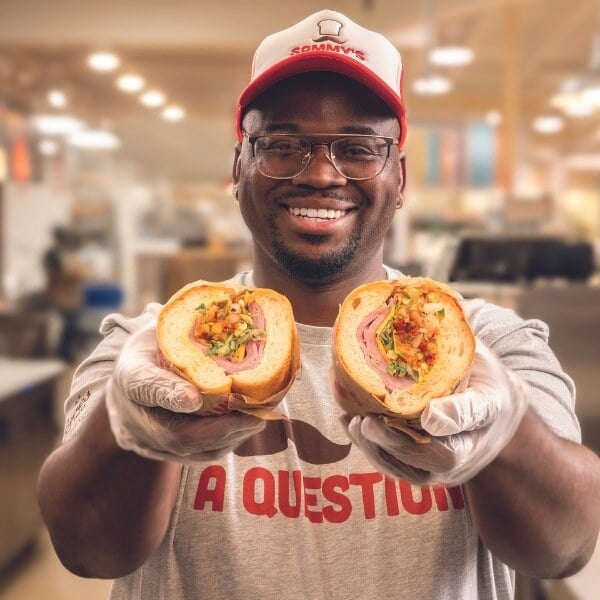
For brands competing across social media, digital advertising, retail displays, and e-commerce platforms, visual quality plays a critical role in capturing attention and influencing purchasing decisions. As a result, many food and beverage companies are turning to advanced digital production workflows—including CGI, compositing, and AI-assisted creative tools—to maintain consistent product imagery across campaigns.
Why Consumers Expect Perfect Food Imagery
Consumers have always responded strongly to visual food cues. Texture, color, shine, and freshness all help signal flavor and quality.
But in the digital age, expectations have evolved.
Food brands now compete in an environment where consumers see thousands of images each day across platforms like Instagram, digital menus, and streaming ads. Highly polished visuals have become the norm, raising the bar for what audiences expect from product photography.
Research in visual marketing consistently shows that high-quality product imagery increases engagement and purchasing intent, particularly in categories such as food, beverages, and consumer packaged goods.
In short, if a product image looks unappealing—or even slightly inconsistent—it can affect how consumers perceive the brand.
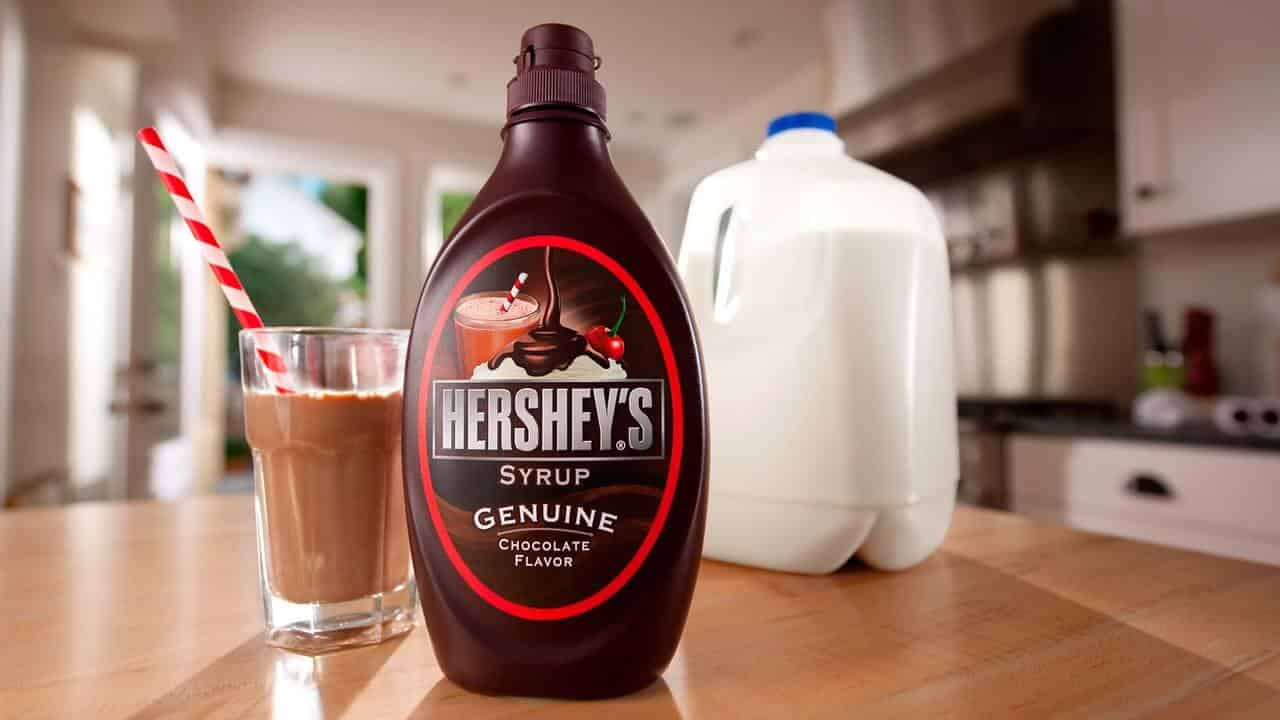
The Challenge of Achieving “Perfect” Food Photography
While the final visuals appear effortless, food photography is often extremely difficult to execute.
Many food products change quickly under studio conditions. Heat from lights can melt frozen desserts, sauces may lose their sheen, and fresh ingredients may wilt or shift during production.
Common challenges in food product photography for marketing campaigns include:
- Maintaining structure in layered foods like burgers and sandwiches
- Capturing stable pours and splashes in beverages
- Preventing melting or condensation loss
- Controlling reflections and highlights on glossy surfaces
- Achieving consistent lighting across multiple product variations
Because of these variables, even experienced production teams may need multiple attempts to capture a single ideal shot.
Why Consistency Matters Across Campaigns
Food and beverage brands rarely create imagery for just one use.
A single product visual may need to appear across:
- social media campaigns
- digital advertisements
- restaurant menu boards
- e-commerce listings
- retail packaging
- out-of-home advertising
Maintaining consistent lighting, color, and presentation across all of these touchpoints can be difficult when relying exclusively on traditional photo shoots.
Even small variations—such as lighting differences between shoots—can create inconsistencies that weaken brand identity.
This challenge has led many brands to adopt digital content creation workflows that allow product visuals to remain consistent across campaigns and marketing channels.
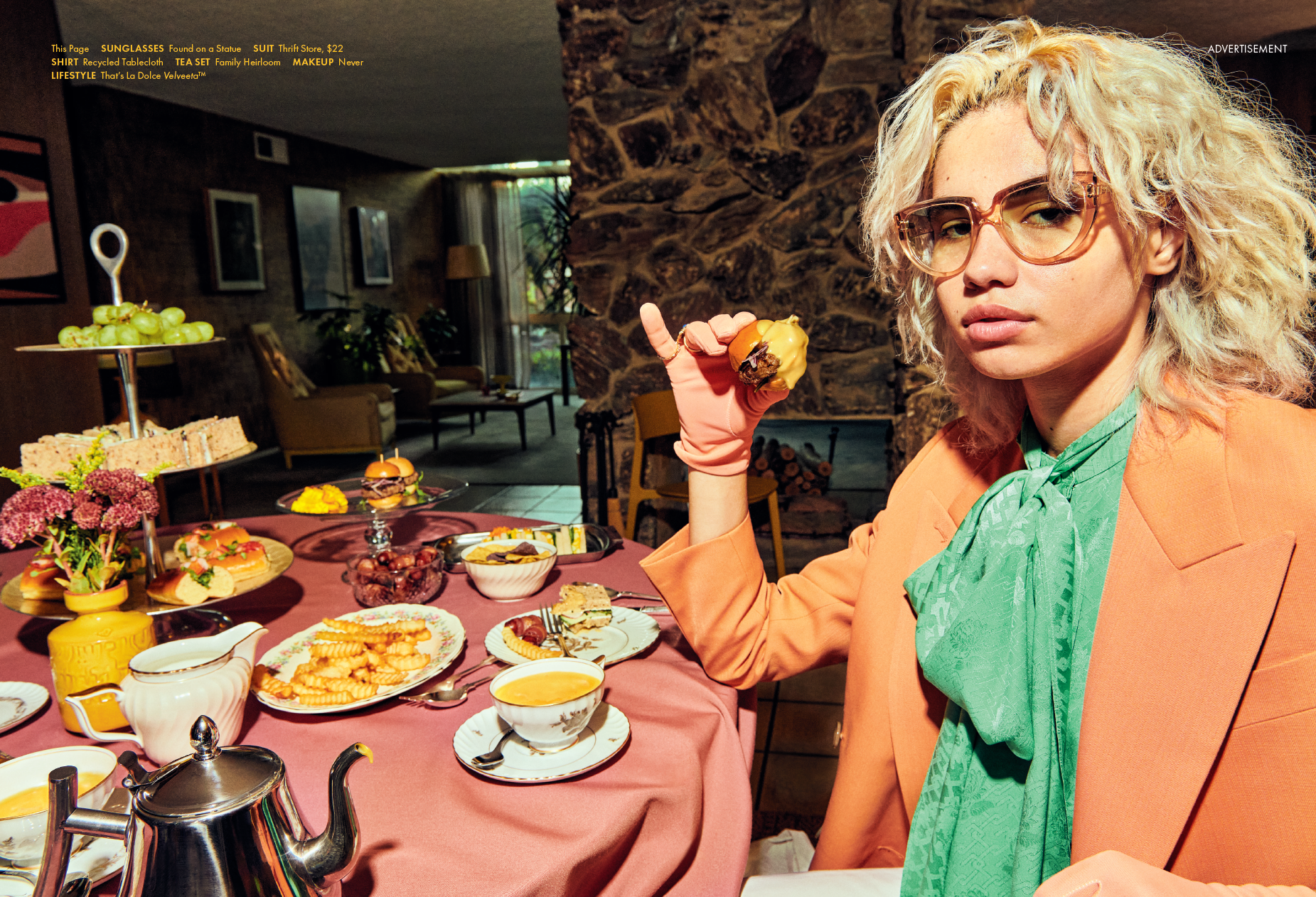
How Digital Production Enables Perfect Product Imagery
Digital production techniques such as CGI, compositing, and advanced retouching allow creative teams to refine product visuals beyond what is possible in a single photograph.
Instead of relying on one capture, production teams often build the final image through multiple layers.
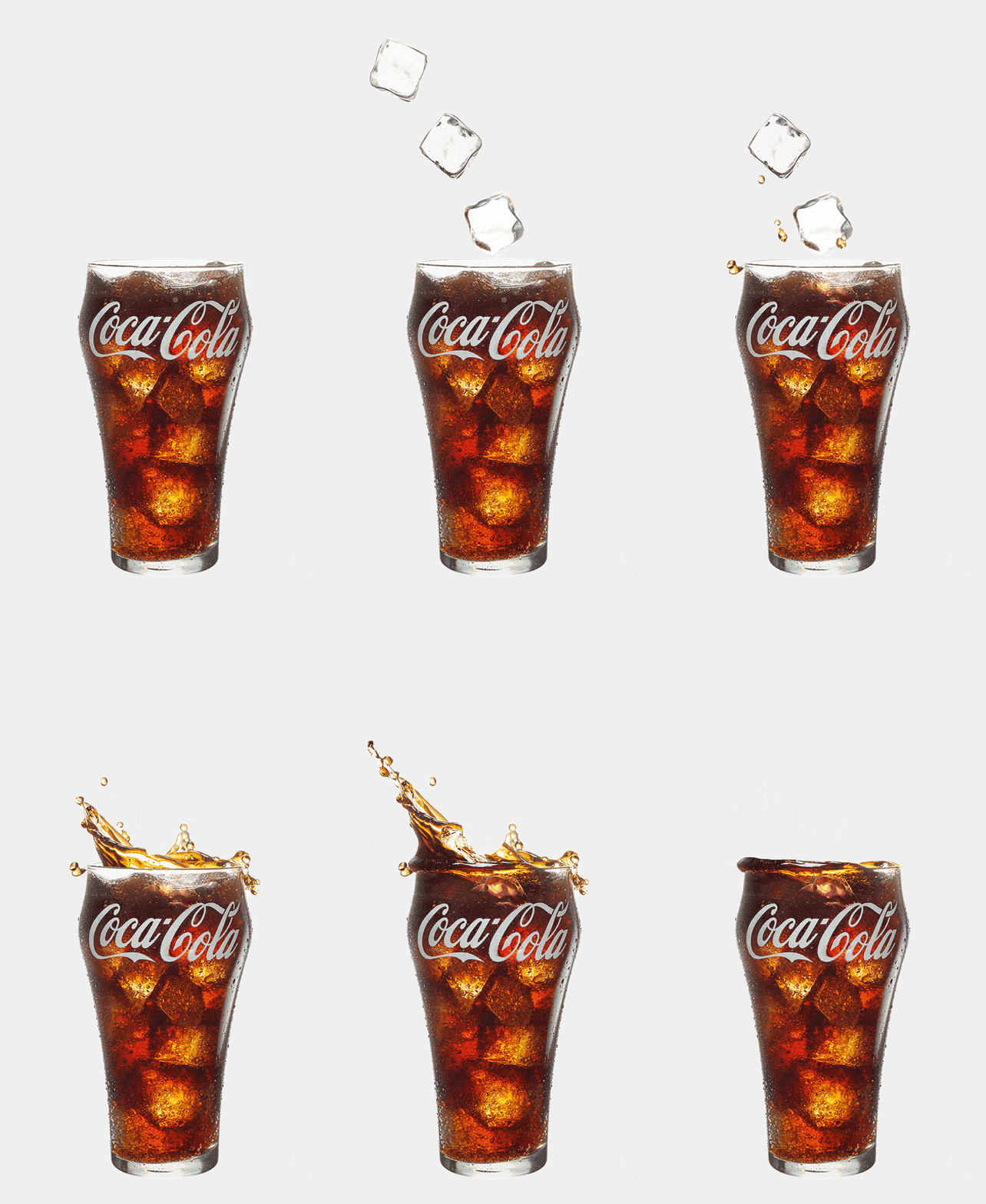
For example, a finished food marketing image might combine:
- a carefully photographed product base
- a separately captured splash or pour
- controlled condensation or steam effects
- refined lighting and reflections
- background elements added through compositing
This process allows brands to achieve a level of precision that ensures every element of the image contributes to the desired visual impact.
These methods are widely used in commercial food and beverage product imagery to create the polished visuals audiences expect.
Scaling Visual Content Across Product Lines
Many food and beverage brands manage large product portfolios that require frequent updates.
New flavors, seasonal offerings, and promotional campaigns all require fresh visual assets. Reproducing the same production setup repeatedly can be costly and time-consuming.
Digital production workflows allow brands to create modular product imagery that can be adapted across multiple campaigns.
For example:
- backgrounds can change for seasonal promotions
- flavors can be swapped within the same visual structure
- packaging updates can be integrated without reshooting entire scenes
This approach allows brands to maintain visual consistency while producing the large volume of assets required for modern marketing.
The Growing Role of AI in Food Marketing Content Creation
Artificial intelligence is also beginning to play a role in food and beverage content production.
While AI is rarely the final step in professional imagery, it can assist creative teams during early stages of the production process.
AI tools may help with:
- rapid concept visualization
- generating background environments for product scenes
- testing visual variations before production
- accelerating asset iteration for digital campaigns
These capabilities allow creative teams to explore ideas more quickly before refining them through professional production workflows.
For brands producing content across multiple platforms, AI-assisted tools can help support faster creative development.
The Goal: Creating Crave-Worthy Visuals
At its core, food marketing imagery exists to trigger appetite.
Visual cues such as gloss, texture, steam, and freshness all influence how consumers perceive taste and quality. Perfect product imagery helps translate those sensory signals into a visual experience.
When executed effectively, these visuals do more than showcase a product—they create a moment of desire.
As food and beverage marketing continues to evolve, brands are increasingly combining traditional photography with digital production tools to create imagery that meets the growing expectations of modern consumers.
The result is a new standard in food marketing: product visuals that are consistently polished, highly detailed, and designed to make audiences stop scrolling—and start craving.
.jpg)