Overview
In collaboration with Walrus Advertising, BluEdge supported a national food delivery brand in developing hero imagery for an out-of-home bus shelter campaign.
The objective: create a high-impact, appetizing grilled cheese visual using generative AI – reducing the need for a traditional photoshoot while maintaining full creative control and usage rights.
What followed became a clear example of how AI accelerates production — but human expertise defines what actually works.
The Challenge
To streamline production, the campaign initially relied on AI-generated imagery in place of a traditional photoshoot. While this approach offered speed and cost efficiencies, the early outputs revealed a critical issue:
They looked close—but not quite right.
The client and agency team were able to clearly articulate what was off:
- Proportions felt unnatural
- Textures were inconsistent across the image
- Lighting and focus didn’t behave realistically
- Materials looked synthetic or overly processed
At the same time, this highlighted a deeper truth about audience perception:
“It just looks wrong… you can’t always pinpoint why, but you know it.”
While trained teams can diagnose these issues, general audiences cannot—they simply feel a disconnect.
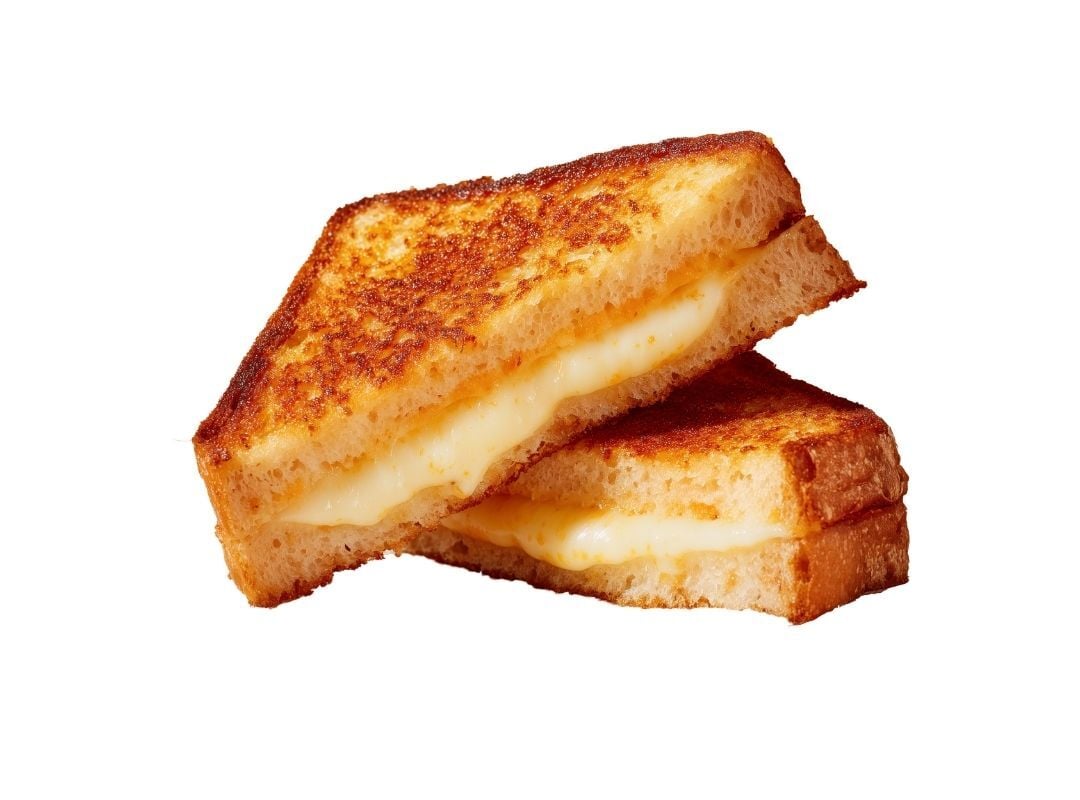
Original supplied image.
The Approach
Working closely with Walrus Advertising, BluEdge implemented a hybrid workflow—using AI as a foundation and human expertise to refine it.
Resetting the Base
- The initial AI-generated concept was rejected due to realism issues
- A second AI-generated stock image was introduced, but still contained inconsistencies in texture, focus, and structure
As one team member noted:
“The focus is wonky… it’s all on the same plane, but parts are sharp and others aren’t. It just doesn’t add up.”
Rebuilding with AI + Design Intent
AI was used to reconstruct key elements:
- More natural bread textures and internal structure
- Balanced proportions and silhouette
- Refined highlights to reduce artificial sheen
- Clear separation between bread and cheese for visual clarity
Expert Post-Production (Where It All Comes Together)
This phase transformed the image from “almost right” to campaign-ready.
BluEdge’s retouching team applied:
- Real-world understanding of materials, lighting, and food styling
- Precision adjustments to edges, textures, and transitions
- Corrections to subtle inconsistencies AI could not resolve
As emphasized during the process:
“You can only go so far with AI… an experienced retoucher needs to finish the image.”
And equally important:
“It’s not like you just plug in AI and it does it all—you have to finesse it with someone who knows what it should look like.”
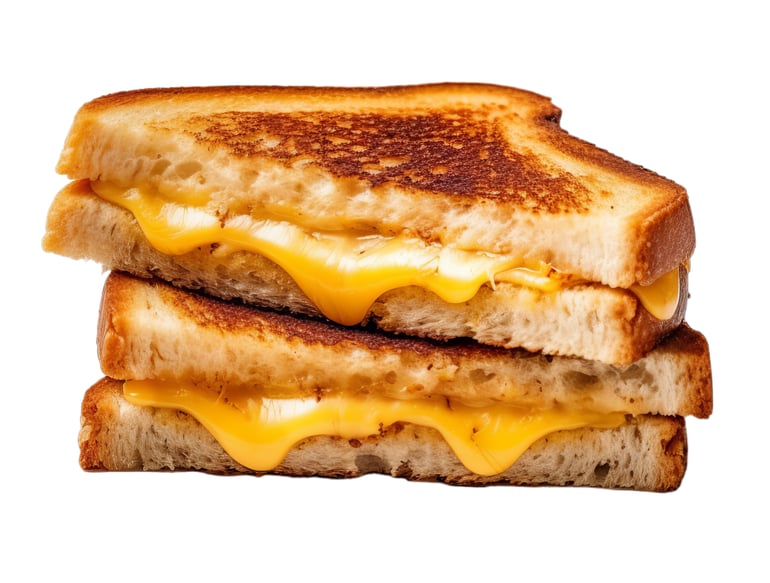
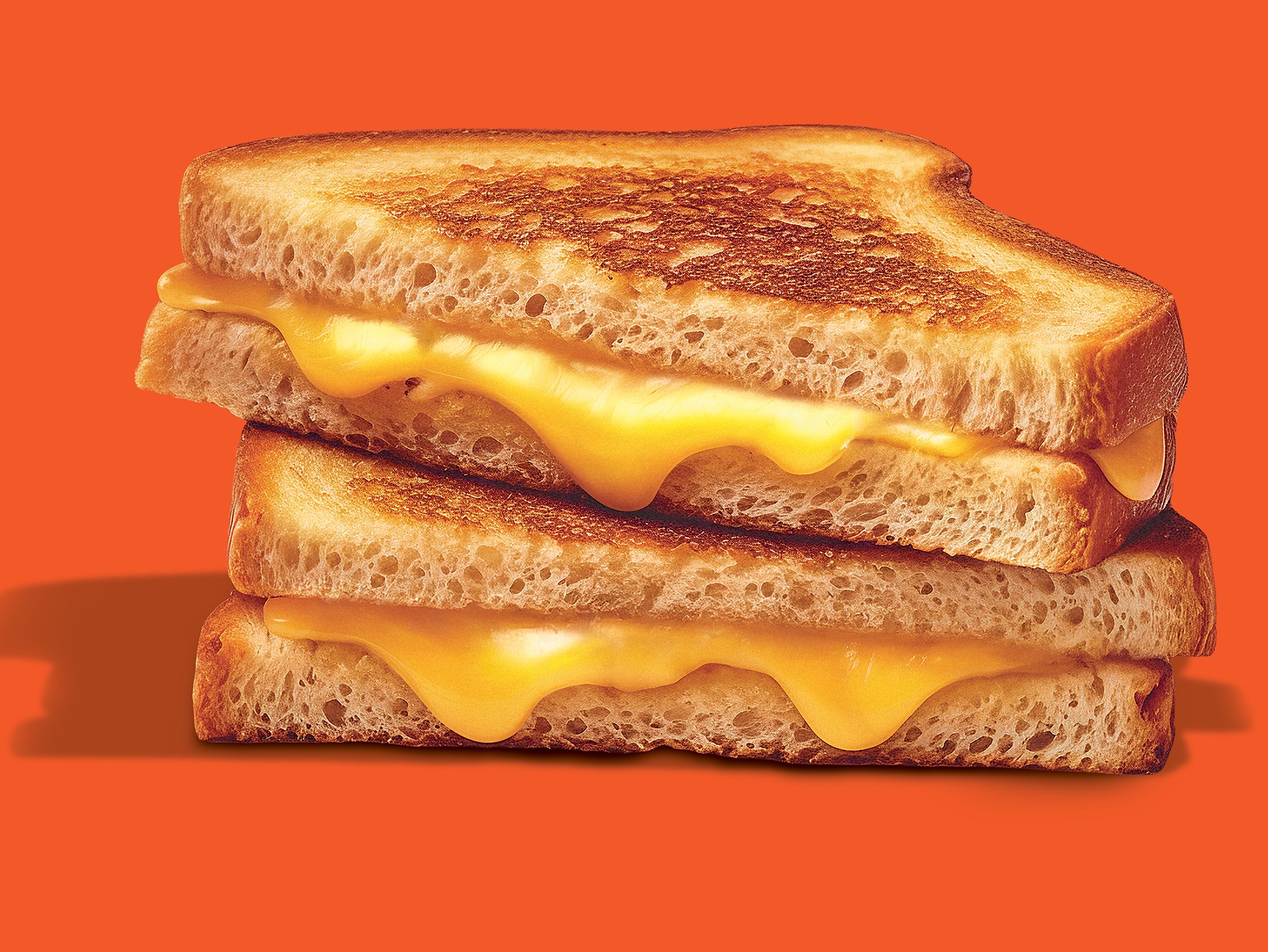
Second supplied image
The Result
The final asset delivered:
- A visually convincing, high-impact image suitable for large-format OOH
- A polished, appetizing look aligned with brand and agency standards
- A production-efficient alternative to a full photoshoot—without sacrificing quality
Most importantly, the final image removed the subtle discomfort that would have caused audiences to disengage.
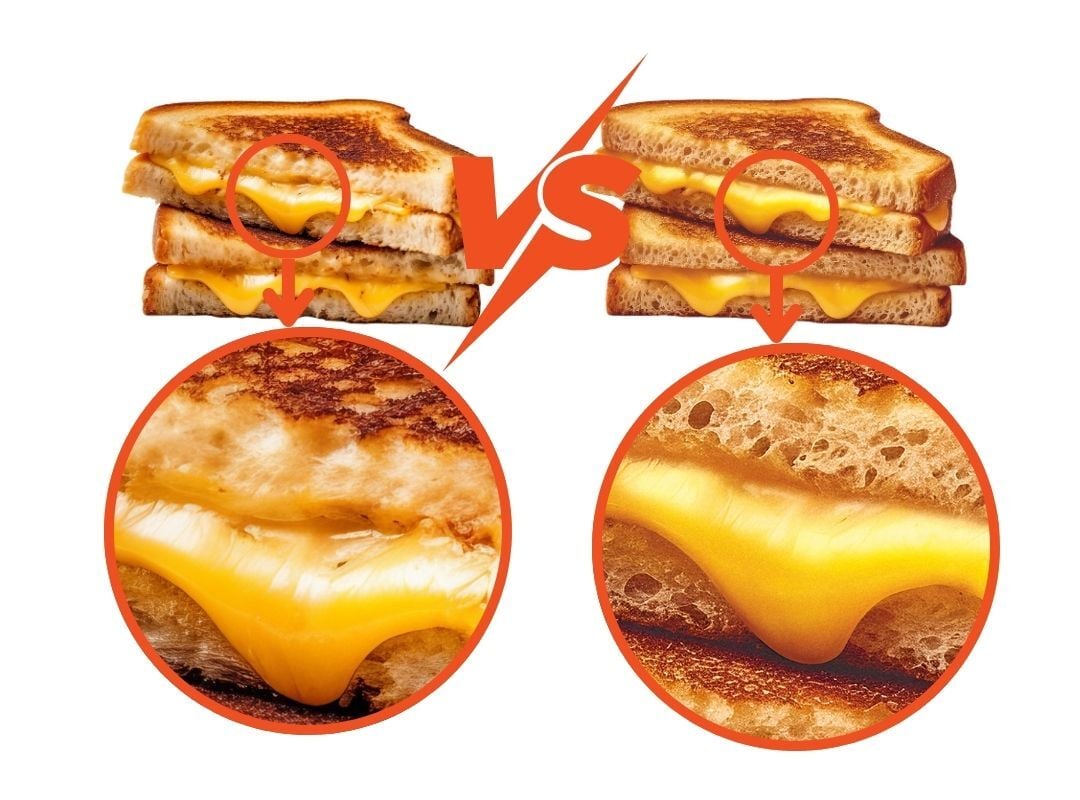
Key Insight: Audiences Feel What They Can’t Explain
This project reinforces a critical distinction:
- Trained teams can identify exactly what’s wrong
- General audiences can’t explain it—but they feel it immediately
That feeling matters.
As one team member put it:
“Getting someone to articulate what they don’t like is hard… they just know something feels off.”
And in marketing, that subtle friction can be the difference between engagement and indifference.
Takeaway
AI is a powerful creative tool—but it is not a replacement for trained designers and post-production artists.
The most effective workflows today combine:
- AI for speed and scalability
- Human expertise for judgment, realism, and trust
Because while AI can generate images, only experienced creatives can make them feel right.
.jpg)